Kosár

A kosár jelenleg üres
Are CS2 Case Opening Sites Safe? Steam vs Third-Party Gambling
Are CS2 Case Opening Sites Safe? Steam vs Third-Party Sites
Short answer: opening cases inside Steam is a known, published system. Third-party "case opening" gambling sites are a separate world with their own rules, their own odds, and a lot more ways to lose money or your account. This guide stays neutral and educational. It does not push any site, and it will not pretend there is a trick to come out ahead. Long term, the expected value is negative no matter where you open.
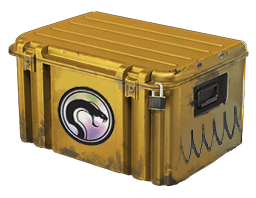
How opening works inside Steam
On Steam the loop is simple. You own a case, you buy a key from Valve, you open it, and the item lands in your inventory. The drop odds are public and identical across every case. You can study every container and its contents before you spend anything when you open CS2 cases on a reference portal and compare what is actually inside.
| Rarity | Color | Drop chance |
|---|---|---|
| Mil-Spec | Blue | 79.92% |
| Restricted | Purple | 15.98% |
| Classified | Pink | 3.2% |
| Covert | Red | 0.64% |
| Knife or gloves | Gold | 0.26% (about 1 in 385) |
There is also roughly a 10% chance the item rolls StatTrak. These numbers are fixed and verifiable, which is the key point: the house edge on Steam comes from key price versus average item value, and that edge is already brutal on its own. A red or a gold is rare on purpose.
Why third-party sites carry extra risk
Off-Steam gambling sites add a layer Valve does not control. The big issues are trust and transparency. Many of these sites run their own inflated odds, custom "cases" stuffed with cheap skins, and payout systems you cannot independently audit. Some use provably-fair hashes, but most users never actually verify them, and "provably fair" still does not mean the prize pool is fair value.
- Odds you cannot confirm. Steam publishes drop rates. A random site can advertise anything and tune the real numbers behind the scenes.
- Account and trade risk. Logging in with Steam or accepting trade offers from bots exposes you to phishing, fake site clones, and API-key theft that can drain an inventory.
- Withdrawal games. Winnings sometimes get locked behind wagering requirements, deposit minimums, or "site balance" that is hard to cash out as real skins.
- Legal and age gaps. Many operate in loose jurisdictions with weak verification, which is a problem for minors and for anyone in a region where this counts as gambling.
- Rigged-looking "winners" feeds. Live drop tickers and influencer "free" balances are marketing, not evidence of your real chances.
The math, and a safer mindset
Whether you open on Steam or on a site, you are paying for a roll. The average outcome is worth less than what you put in, otherwise the operator would not exist. With a 0.64% red and a 0.26% gold, most rolls return a blue or purple worth a fraction of the key. Chasing a knife to "break even" is the classic trap, since each open is independent and your odds never warm up.
If you still want to play, a few habits lower the damage:
- Set a hard budget you are fine losing, and treat it as entertainment spend, not investment.
- Prefer buying the exact skin you want on the market over rolling for it. It is usually cheaper than the expected cost of opening.
- Protect your account: unique password, Steam Guard mobile authenticator, and never enter your login on a site that "looks like" Steam.
- Ignore "guaranteed profit" claims and referral hype entirely.
Bottom line for June 2026: Steam opening is transparent but still an edge against you. Third-party case sites add scam, odds, and account risks on top of that same negative math. Knowing exactly what is inside each case before you spend is the only real edge a player has.
Kapcsolódó állományok
Bejelentkezés
RSSfeliratkozás